When to arrive, which temples to skip and where the light is best after four o'clock.
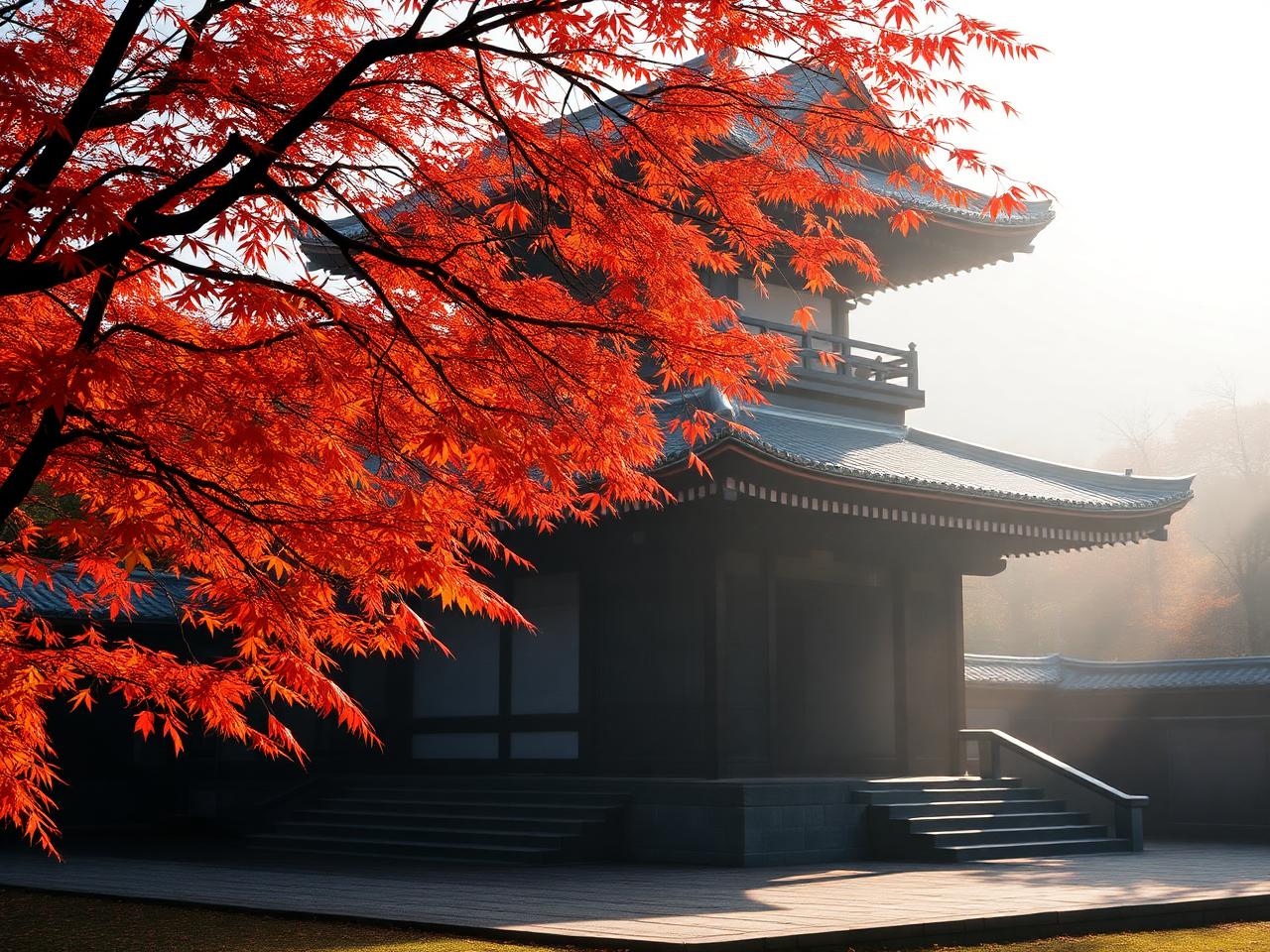
The autumn colour front moves south through Japan at roughly thirty kilometres a day. In Kyoto the maples usually peak between the middle and the end of November, although warm autumns have pushed the peak into early December more than once in recent years. Anyone planning around a single fixed date is planning around luck.
The practical answer is to build flexibility into the route. A Kyoto stay of four nights, with day trips to Nara and Uji available in either order, lets you follow the colour rather than hope it waits for you.
Timing inside the day matters as much as the calendar. The famous sites are crowded from mid morning until late afternoon. Arrive at 06:30, when the gravel is still being raked and the light comes in low through the cedar, or come back after four o'clock, when the tour groups have left for dinner.
Northern Higashiyama rewards the late afternoon: the hills catch the last light and the walk between temples is part of the experience. Arashiyama repays the opposite discipline, an early start before the first trains arrive from the city.
Evening illuminations are worth one night, not four. They are beautiful, ticketed and busy, and two hours of queueing is a poor exchange for a morning missed.
Book accommodation early. In maple season the good ryokan rooms in Kyoto are gone six to eleven months ahead, and the price difference between booking in January and booking in September is substantial.
Who it suits: travellers who prefer walking to sightseeing, returning visitors who have already seen the highlights, and photographers who are willing to get up in the dark.
Written by Beatrice Barazzetti for the Dream Destination Journal.