A short, opinionated list from guides who have watched a thousand duffel bags be opened.
Three layers, no more: a merino base, a light insulated mid layer and a genuinely windproof shell. Patagonian wind is not cold so much as relentless, and a jacket that stops it does more than any amount of extra padding.
Boots you have already walked fifty kilometres in. The first days of a trekking route are not the place to discover a hot spot, and blister tape belongs in your day pack rather than in the hold.
One pair of trousers you do not mind ruining and one you would happily wear to dinner. That is the whole wardrobe. Laundry is available in El Calafate and Puerto Natales, and it costs less than the excess baggage you avoid.
Sun protection matters more than most people expect. The ozone layer is thin this far south and the reflected light off ice is severe, so high factor cream, a brimmed hat and proper sunglasses are not optional.
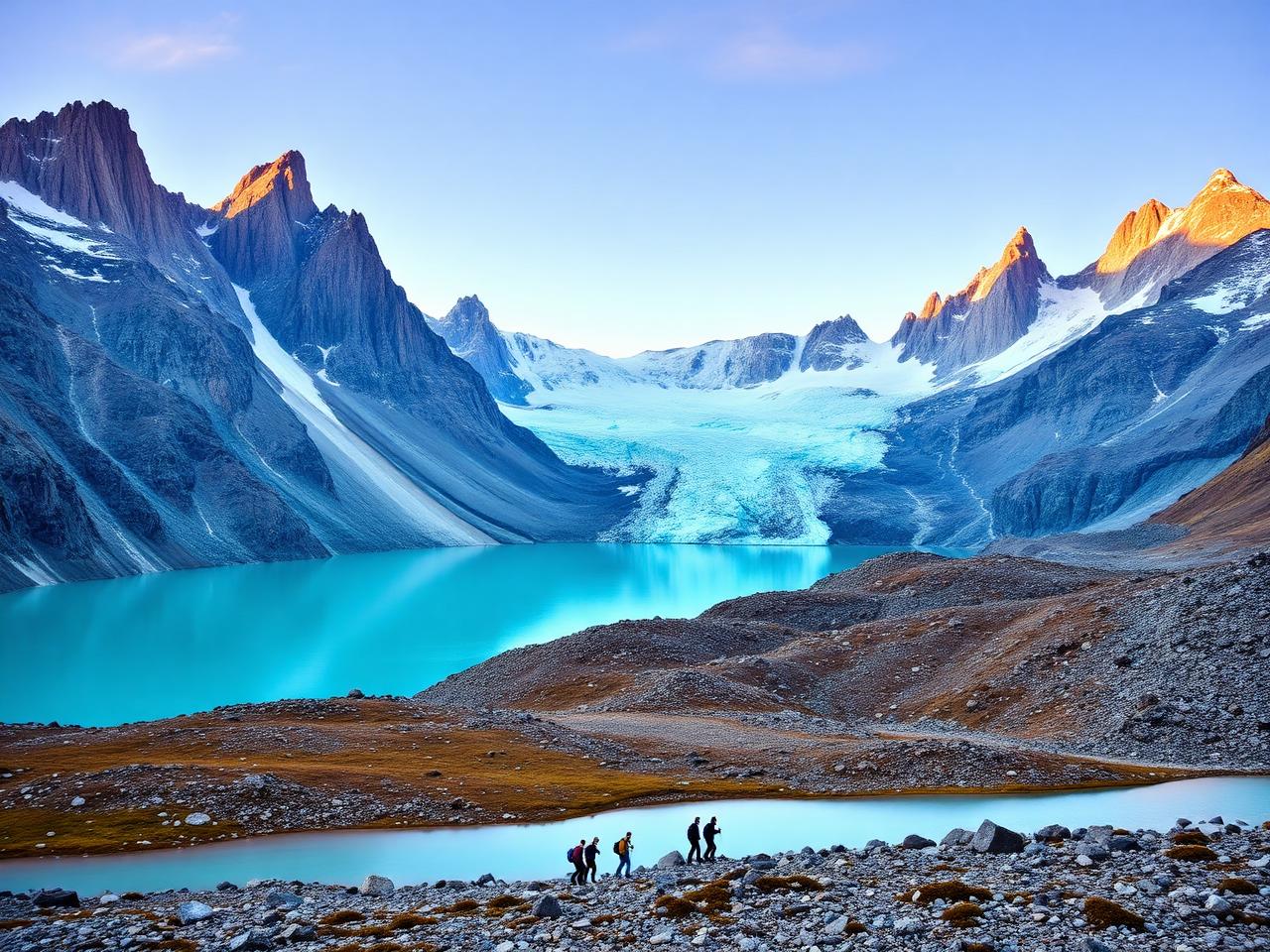
For photography, leave the tripod at home unless you plan to shoot the night sky. Nine times out of ten the wind wins the argument. A polarising filter, on the other hand, earns its place on every glacier day.
Best period: November to March, with December and January the warmest and busiest, and March offering quieter trails and autumn colour on the lenga forests.
Written by Beatrice Barazzetti for the Dream Destination Journal.